ALL ARTICLES

Cancer-Related Fatigue: Why Rest Alone May Not Be the Answer
Cancer-related fatigue is more than ordinary tiredness and may continue even after a full night of sleep. Dr. Wu Dhi explains why fatigue during and after cancer treatment deserves an individualized approach that may include medical evaluation, carefully chosen movement, rehabilitation, nutrition, better sleep, emotional support, and Medical Qi Gong. The article explores the fatigue–inactivity cycle, current recommendations for exercise and mind-body practices, strategic rest, hydration, and emotional well-being. The goal is not to push through exhaustion, but to help patients understand their energy, preserve function, and work with their bodies while staying connected to their oncology team.

Breast Cancer Treatment: What Can You Do to Help Your Body Through It?
If you or someone you love is going through breast cancer treatment, do not wait until treatment is over to ask what can be done to preserve strength, manage fatigue and pain, maintain mobility, and support recovery.
Cancer treatment can place tremendous demands on the body and mind. Surgery, chemotherapy, radiation therapy, immunotherapy, and hormone therapy may all be essential parts of treating breast cancer. At the same time, these treatments may affect energy, sleep, appetite, mood, strength, and the ability to move comfortably.
This is where supportive integrative care may have an important role.
There is a clear distinction between treating cancer and supporting the person receiving treatment:
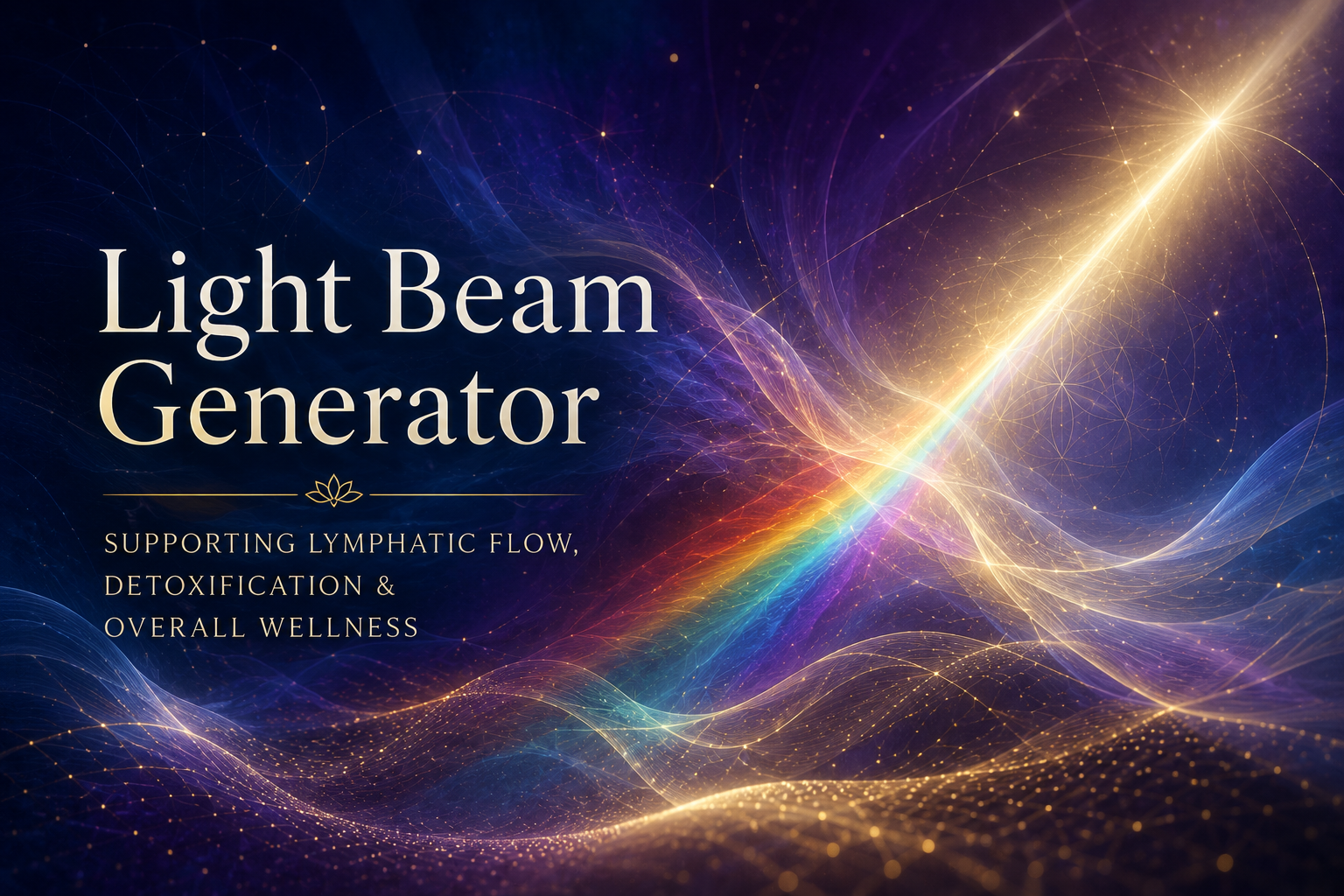
The Light Beam Generator (LBG): A Unique Approach to Supporting Wellness
In today's fast-paced world, many people focus on nutrition, exercise, and stress management while overlooking one of the body's most important systems: the lymphatic system.
The lymphatic system plays a vital role in supporting immune function, maintaining healthy fluid balance, and assisting the body in removing waste products and environmental toxins. Unlike the circulatory system, the lymphatic system does not have a pump of its own. Instead, it relies on movement, hydration, proper breathing, and other supportive therapies to maintain healthy flow.