ALL ARTICLES
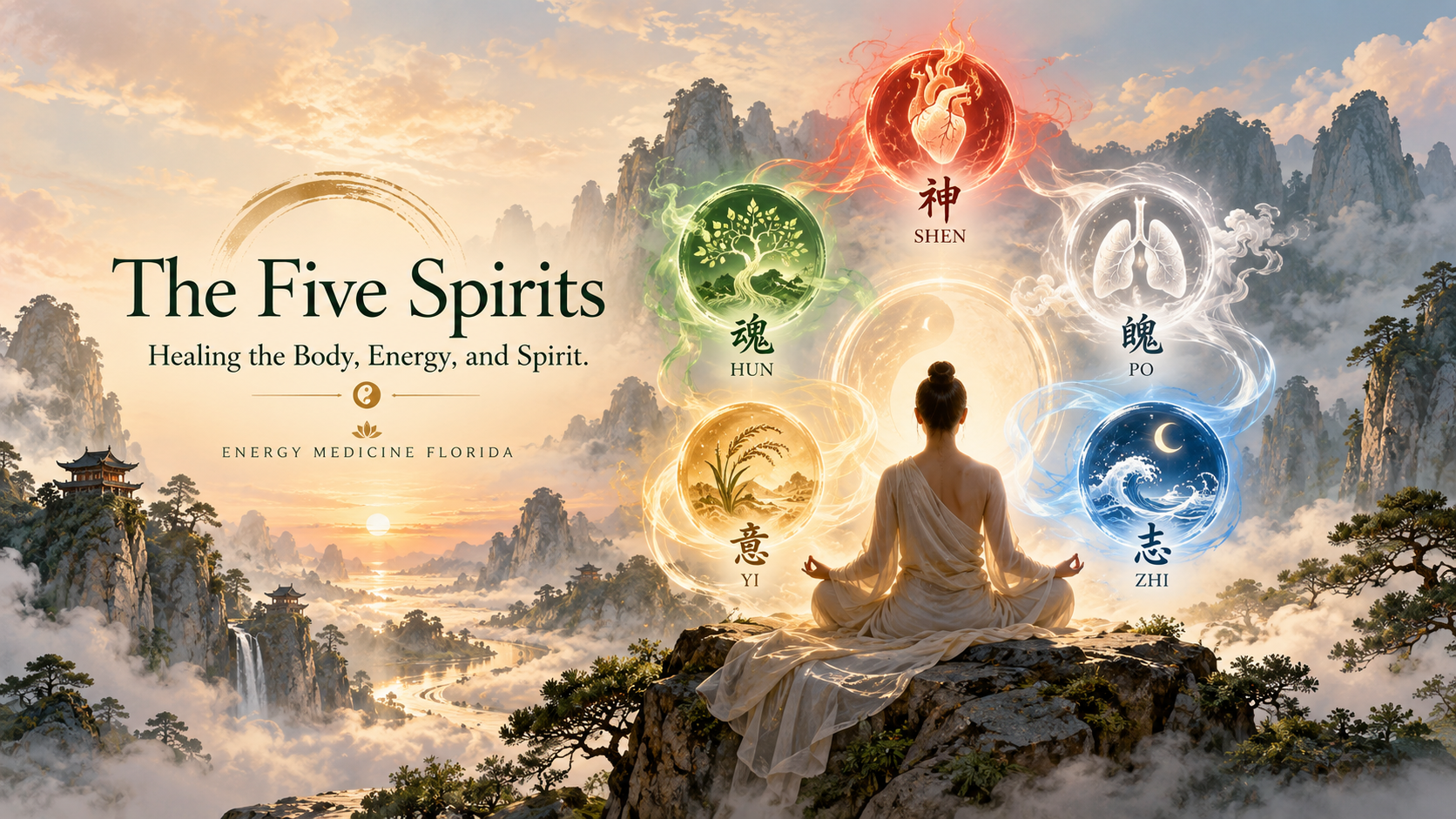
The Five Spirits: Acupuncture, Inner Alchemy, and the Art of Longevity
Traditional Chinese Medicine views health as more than the absence of physical symptoms. The Five Spirits—Shen, Hun, Po, Yi, and Zhi—represent different aspects of consciousness, emotion, vitality, and inner strength associated with the Heart, Liver, Lungs, Spleen, and Kidneys. Dr. Wu Dhi explains how Medical Qigong differs from ordinary Qigong exercise and how practitioner-directed energetic treatment, breathing, movement, and personalized exercises may be used within this traditional framework. The goal is not simply to chase symptoms, but to support greater balance between the body, energy, emotions, and Spirit while helping patients participate actively in their own well-being.
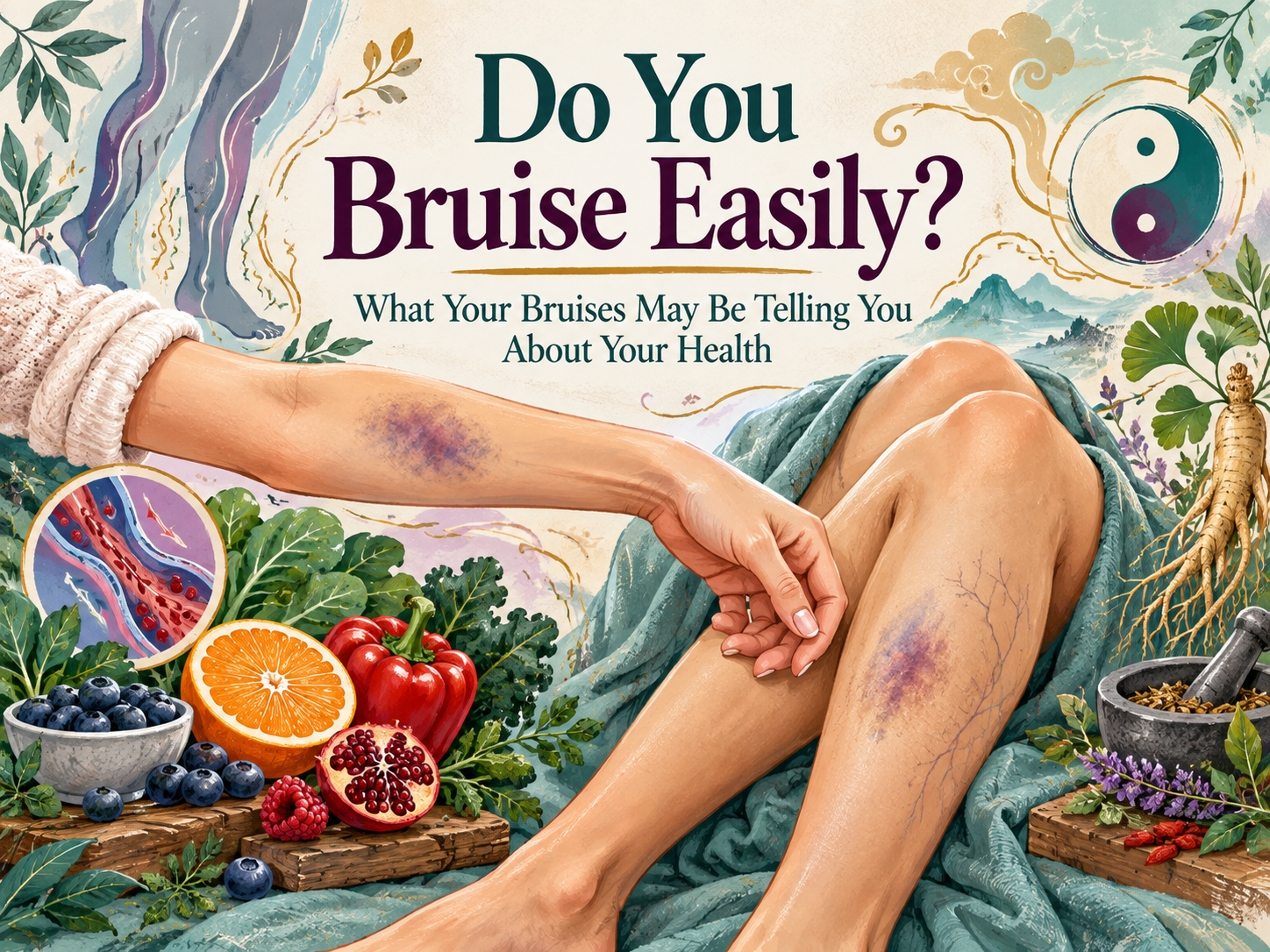
Do You Bruise Easily?
Do you bruise easily or sometimes notice bruises without remembering how they happened? Dr. Wu Dhi explores common reasons for bruising, including aging skin, medications, circulation, nutrition, and activity level, while also sharing the Traditional Chinese Medicine perspective on the Spleen, Liver, Heart, and Blood. The article also looks at the connection between bruising, tired or heavy legs, spider veins, and varicose veins. Most bruises are harmless, but sudden or unexplained changes deserve attention. Sometimes a small bruise can become an important reminder to look at the larger picture of your health.
The Full Moon, Qi, and the Art of Letting Go
For thousands of years, human beings have looked toward the Moon and recognized something familiar in its changing face.
It grows. It becomes full. It begins to diminish. Eventually, it disappears from our sight, only to begin the cycle again.
Perhaps this is one of the reasons the Moon has played such an important role in spiritual traditions, medicine, agriculture, meditation, and human culture throughout history. Its changing phases remind us of something we sometimes forget: nothing in nature remains in one state forever.
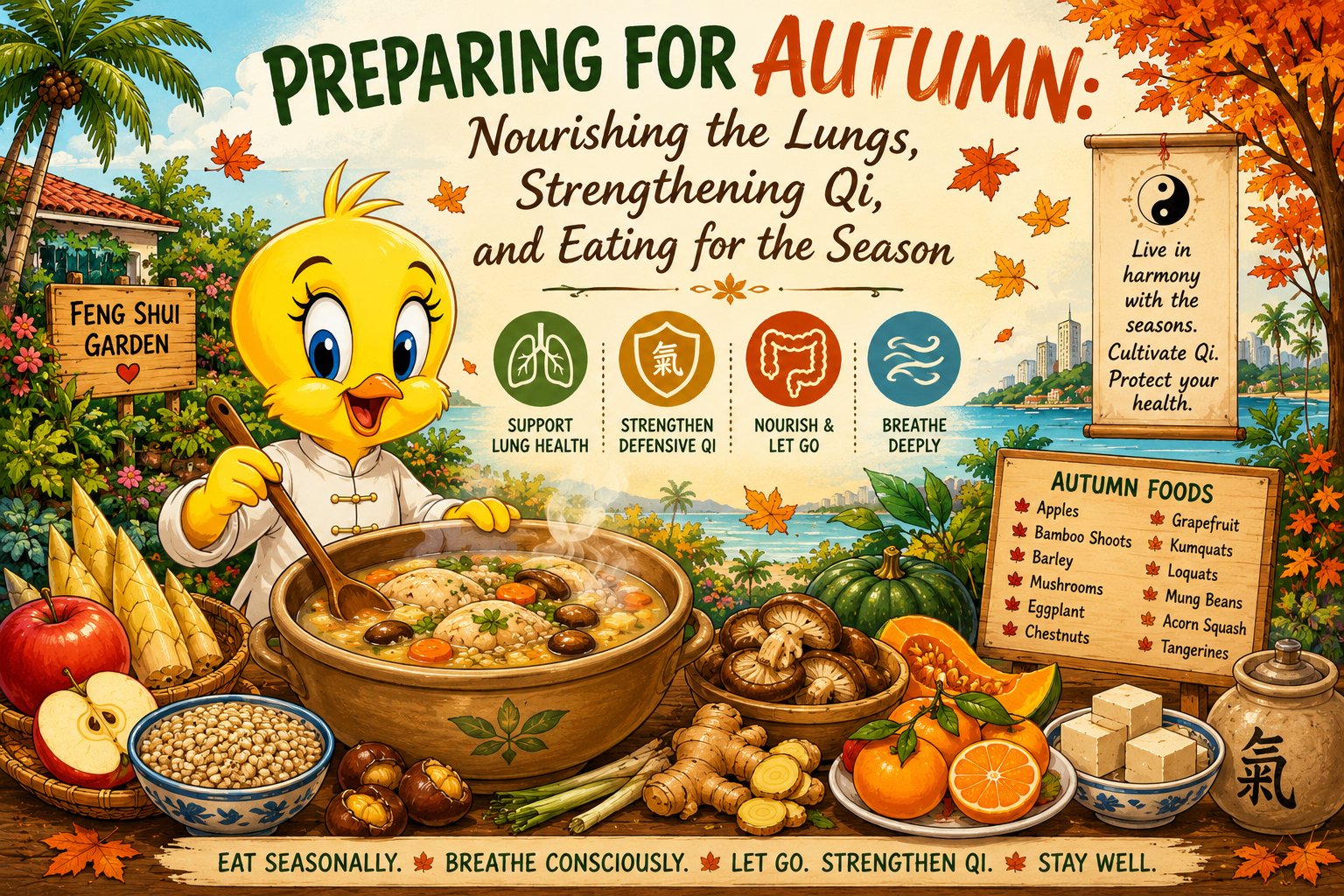
Preparing for Autumn: Nourishing the Lungs, Strengthening Qi, and Eating for the Season
At last, we are entering the final stretch of summer.
Here in South Florida, the intense heat and high humidity will slowly begin to change. Around September 22–23, we enter the autumnal equinox, when day and night are nearly equal and nature begins moving from the strong Yang energy of summer toward the quieter, more inward energy of autumn.
Regenerative Medicine: Supporting the Body’s Ability to Heal, Repair, and Stay Vital
Regenerative medicine is changing the conversation about pain, recovery, mobility, and healthy aging. Drawing on more than four decades of clinical experience and his own personal exploration of regenerative therapies, Dr. Wu Dhi discusses PRP, orthobiologics, exosomes, stem-cell research, ozone-based therapies, Prolozone, Medical Qigong, acupuncture, and rehabilitation. Rather than focusing only on suppressing symptoms, these emerging approaches ask how we may better support the biological environment in which healing and recovery take place. The goal is not to replace conventional medicine, but to thoughtfully combine appropriate therapies to help people maintain strength, movement, energy, independence, and quality of life.

Your Health Is Built Between Appointments
Healing does not happen only in the treatment room. Dr. Wu Dhi explains why the choices we make between appointments can play an important role in supporting health and well-being. This article explores four areas patients can work with every day: nourishment, Medical Qigong, meditation, and constructive thinking. Small, consistent habits may help support energy, movement, stress regulation, and a greater sense of participation in the healing process. The goal is not perfection or extreme change. It is learning how to work with your body, make healthier choices consistently, and become an active participant in your own care.
How Medical Qigong and Acupuncture Can Support Your Healing Journey
Cancer treatment affects much more than the disease itself. It can influence energy, sleep, movement, pain, appetite, emotions, and quality of life. Dr. Wu Dhi explores how Medical Qigong and acupuncture may be used as supportive therapies alongside conventional oncology care. Qigong offers gentle movement, breathing, relaxation, and self-awareness, while acupuncture may help manage selected treatment-related symptoms such as pain, nausea, and fatigue. Nutrition, emotional support, and individualized care also play important roles. These complementary approaches do not replace cancer treatment, but when coordinated with the oncology team, they may help patients feel more supported throughout treatment and recovery.
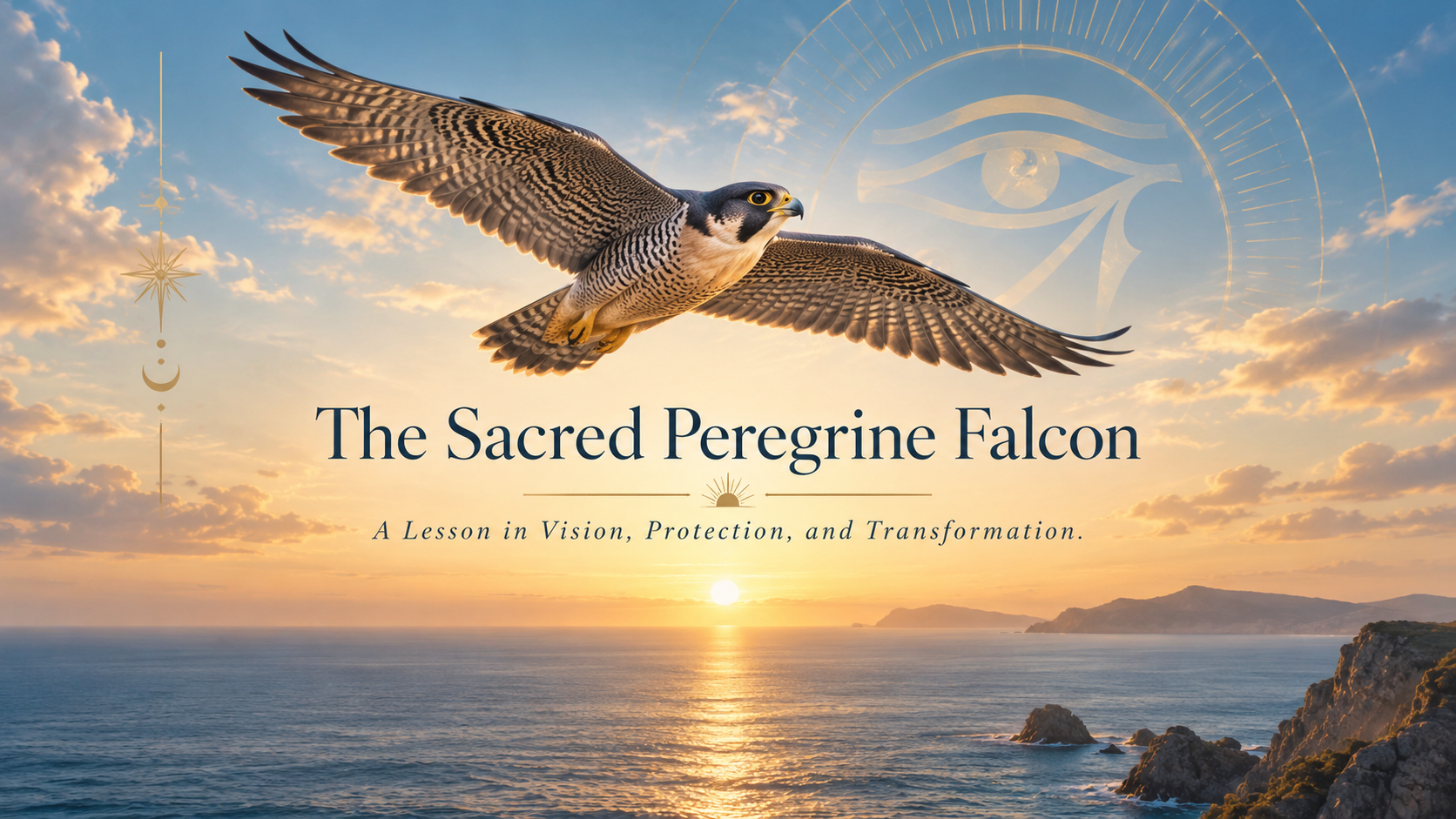
The Sacred Peregrine Falcon: A Lesson in Vision, Protection, and Transformation
After watching a peregrine falcon flying over the ocean, Dr. Wu Dhi reflects on the ancient symbolism of Horus and the lessons the falcon can offer us today. The falcon represents higher vision, protection, patience, precision, and the ability to rise above emotional reactions without denying what we feel. Through meditation, conscious breathing, Medical Qi Gong, and greater self-awareness, we can learn to pause before reacting, protect what is meaningful, and transform difficult experiences into wisdom. The article concludes with a simple falcon reflection designed to help you gain perspective, recognize what needs protection, and choose your next action with greater clarity.

Cancer-Related Fatigue: Why Rest Alone May Not Be the Answer
Cancer-related fatigue is more than ordinary tiredness and may continue even after a full night of sleep. Dr. Wu Dhi explains why fatigue during and after cancer treatment deserves an individualized approach that may include medical evaluation, carefully chosen movement, rehabilitation, nutrition, better sleep, emotional support, and Medical Qi Gong. The article explores the fatigue–inactivity cycle, current recommendations for exercise and mind-body practices, strategic rest, hydration, and emotional well-being. The goal is not to push through exhaustion, but to help patients understand their energy, preserve function, and work with their bodies while staying connected to their oncology team.

Beyond NLP: Rewriting the Story Through the Mind and Body
Why can an old emotional response return even when the conscious mind believes an experience is over? In Beyond NLP, Dr. Wu Dhi explores a mind-body approach that combines Neuro-Linguistic Programming, applied kinesiology, muscle testing, and concepts from the Chinese meridian system. The process looks at both the story a person carries and the physical response associated with it. Through muscle testing, rewriting the story, creating positive anchors, and retesting the body, the goal is to help interrupt old patterns and develop a more empowering response. The work is designed as a complementary wellness approach, not a replacement for medical or mental-health care.
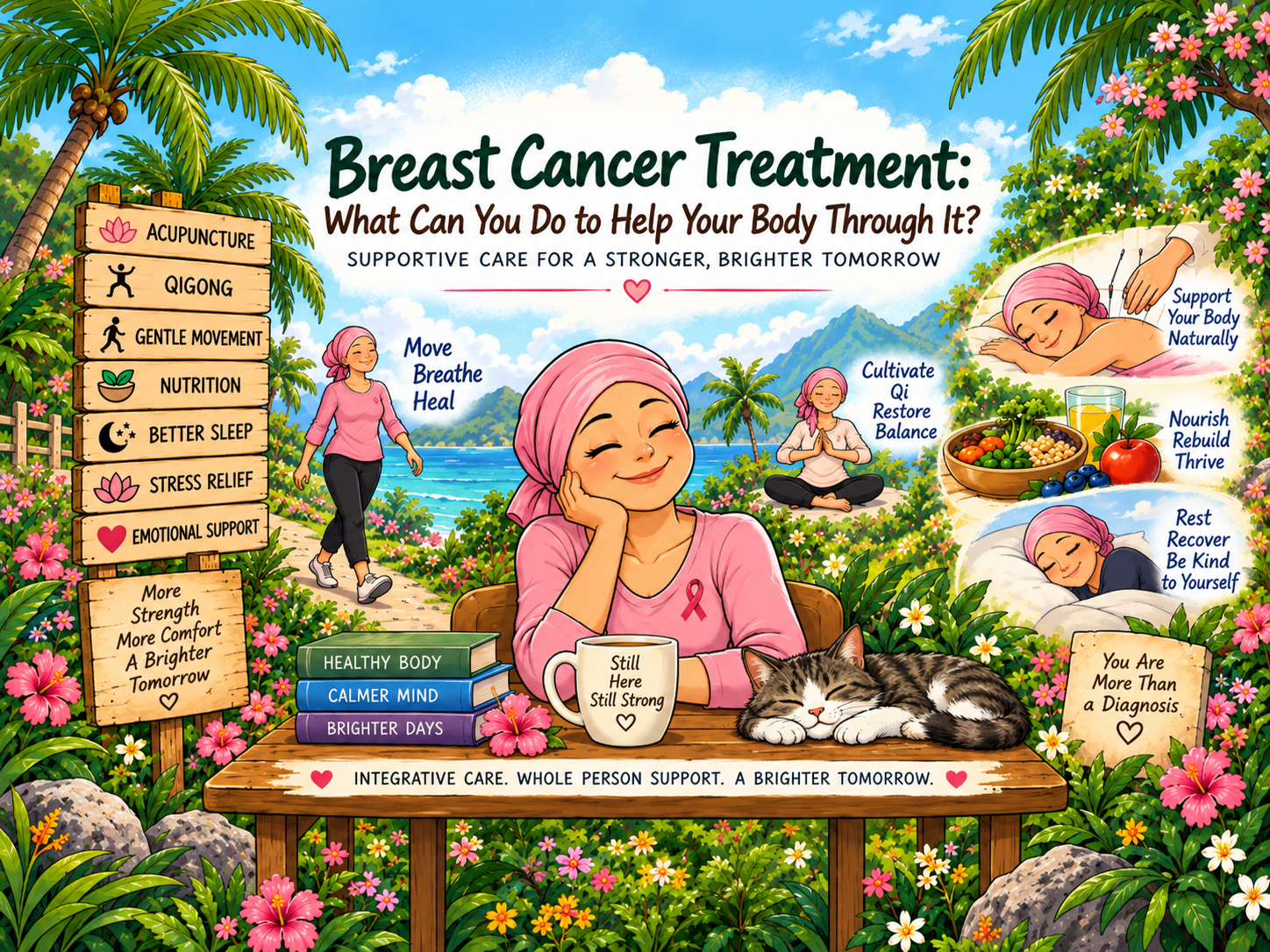
Breast Cancer Treatment: What Can You Do to Help Your Body Through It?
If you or someone you love is going through breast cancer treatment, do not wait until treatment is over to ask what can be done to preserve strength, manage fatigue and pain, maintain mobility, and support recovery.
Cancer treatment can place tremendous demands on the body and mind. Surgery, chemotherapy, radiation therapy, immunotherapy, and hormone therapy may all be essential parts of treating breast cancer. At the same time, these treatments may affect energy, sleep, appetite, mood, strength, and the ability to move comfortably.
This is where supportive integrative care may have an important role.
There is a clear distinction between treating cancer and supporting the person receiving treatment: