ALL ARTICLES
The Full Moon, Qi, and the Art of Letting Go
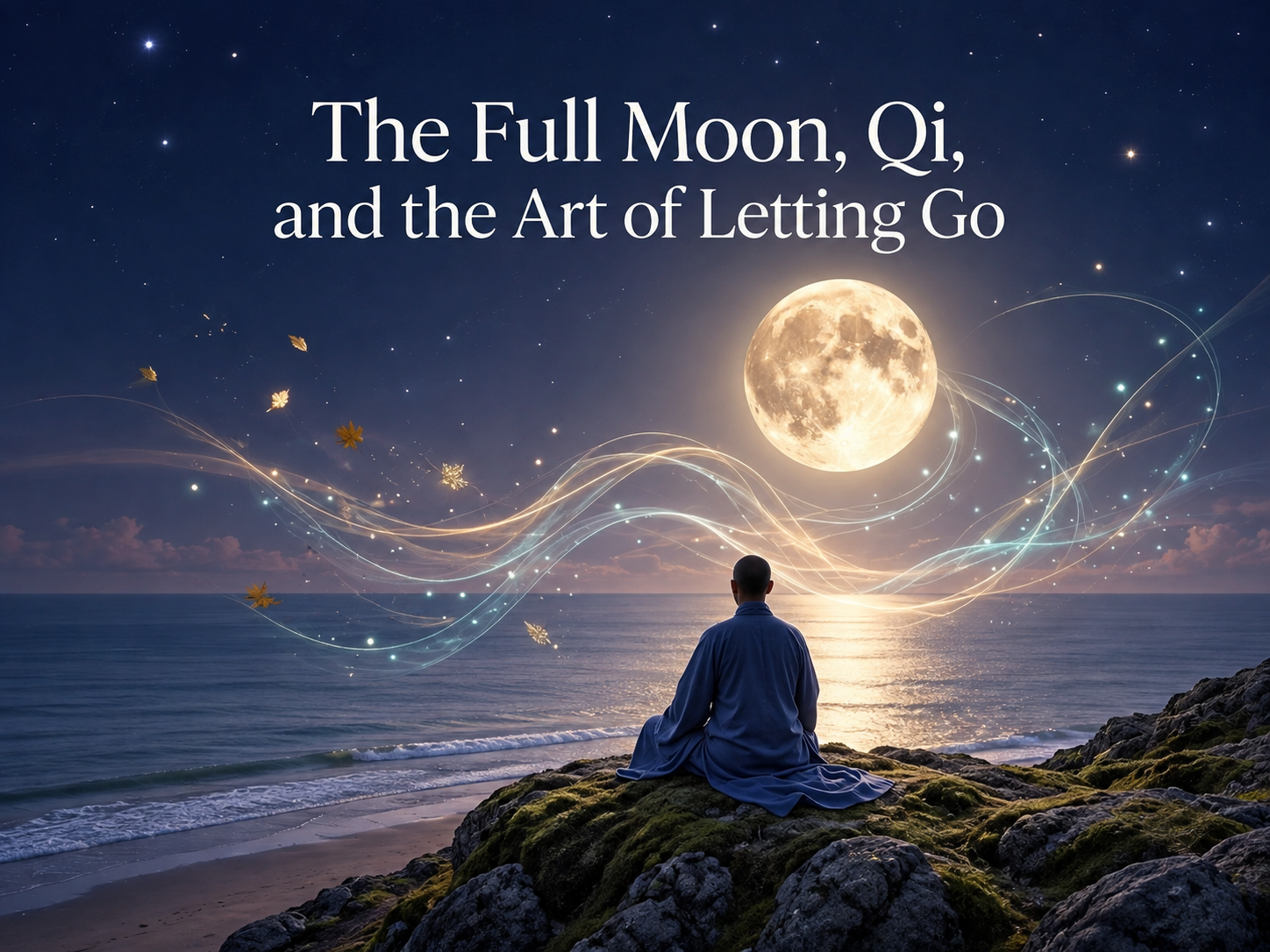
For thousands of years, human beings have looked toward the Moon and recognized something familiar in its changing face.
It grows. It becomes full. It begins to diminish. Eventually, it disappears from our sight, only to begin the cycle again.
Perhaps this is one of the reasons the Moon has played such an important role in spiritual traditions, medicine, agriculture, meditation, and human culture throughout history. Its changing phases remind us of something we sometimes forget: nothing in nature remains in one state forever.
How Medical Qigong and Acupuncture Can Support Your Healing Journey
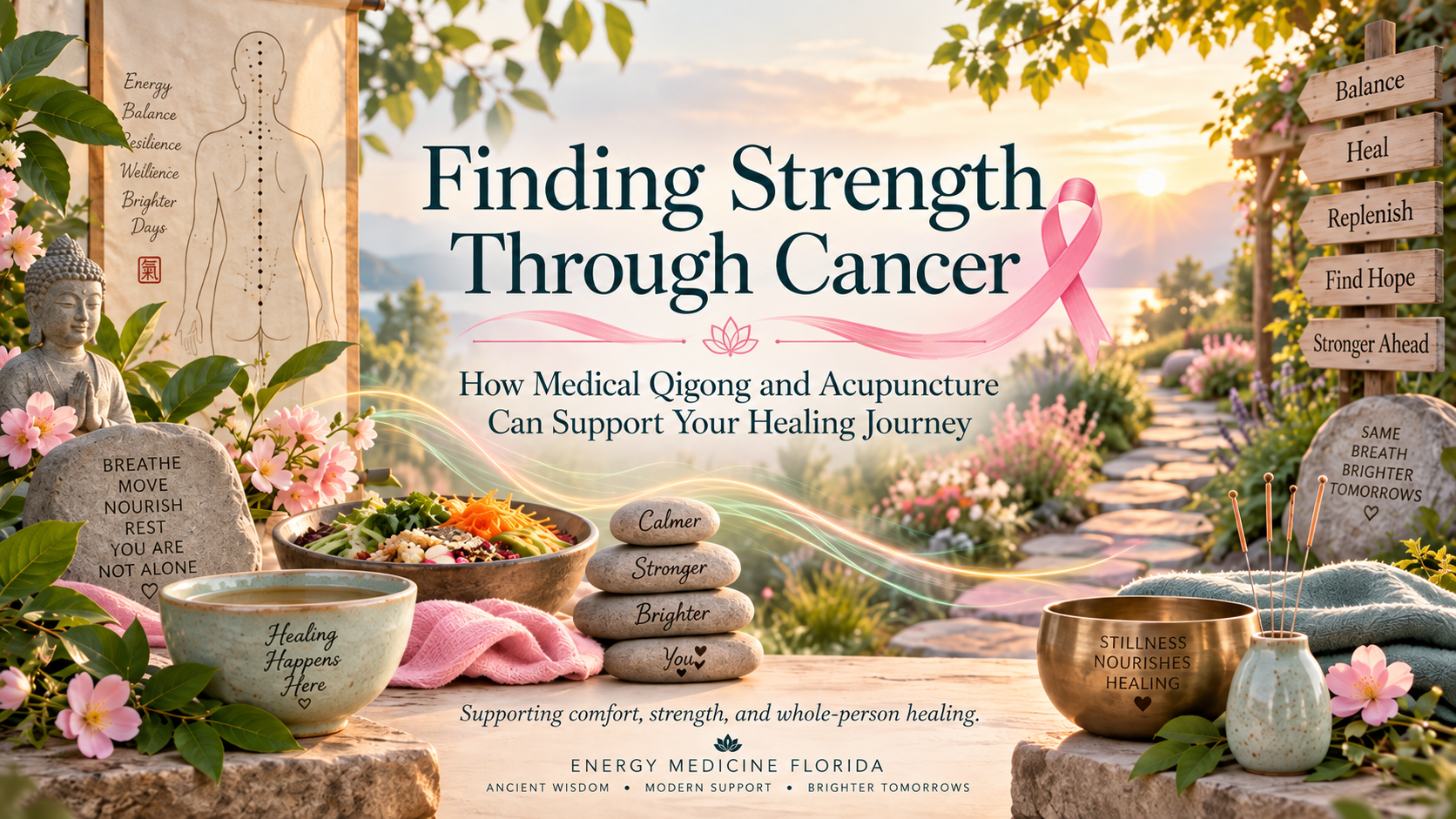
Cancer treatment affects much more than the disease itself. It can influence energy, sleep, movement, pain, appetite, emotions, and quality of life. Dr. Wu Dhi explores how Medical Qigong and acupuncture may be used as supportive therapies alongside conventional oncology care. Qigong offers gentle movement, breathing, relaxation, and self-awareness, while acupuncture may help manage selected treatment-related symptoms such as pain, nausea, and fatigue. Nutrition, emotional support, and individualized care also play important roles. These complementary approaches do not replace cancer treatment, but when coordinated with the oncology team, they may help patients feel more supported throughout treatment and recovery.

Cancer-Related Fatigue: Why Rest Alone May Not Be the Answer
Cancer-related fatigue is more than ordinary tiredness and may continue even after a full night of sleep. Dr. Wu Dhi explains why fatigue during and after cancer treatment deserves an individualized approach that may include medical evaluation, carefully chosen movement, rehabilitation, nutrition, better sleep, emotional support, and Medical Qi Gong. The article explores the fatigue–inactivity cycle, current recommendations for exercise and mind-body practices, strategic rest, hydration, and emotional well-being. The goal is not to push through exhaustion, but to help patients understand their energy, preserve function, and work with their bodies while staying connected to their oncology team.