ALL ARTICLES
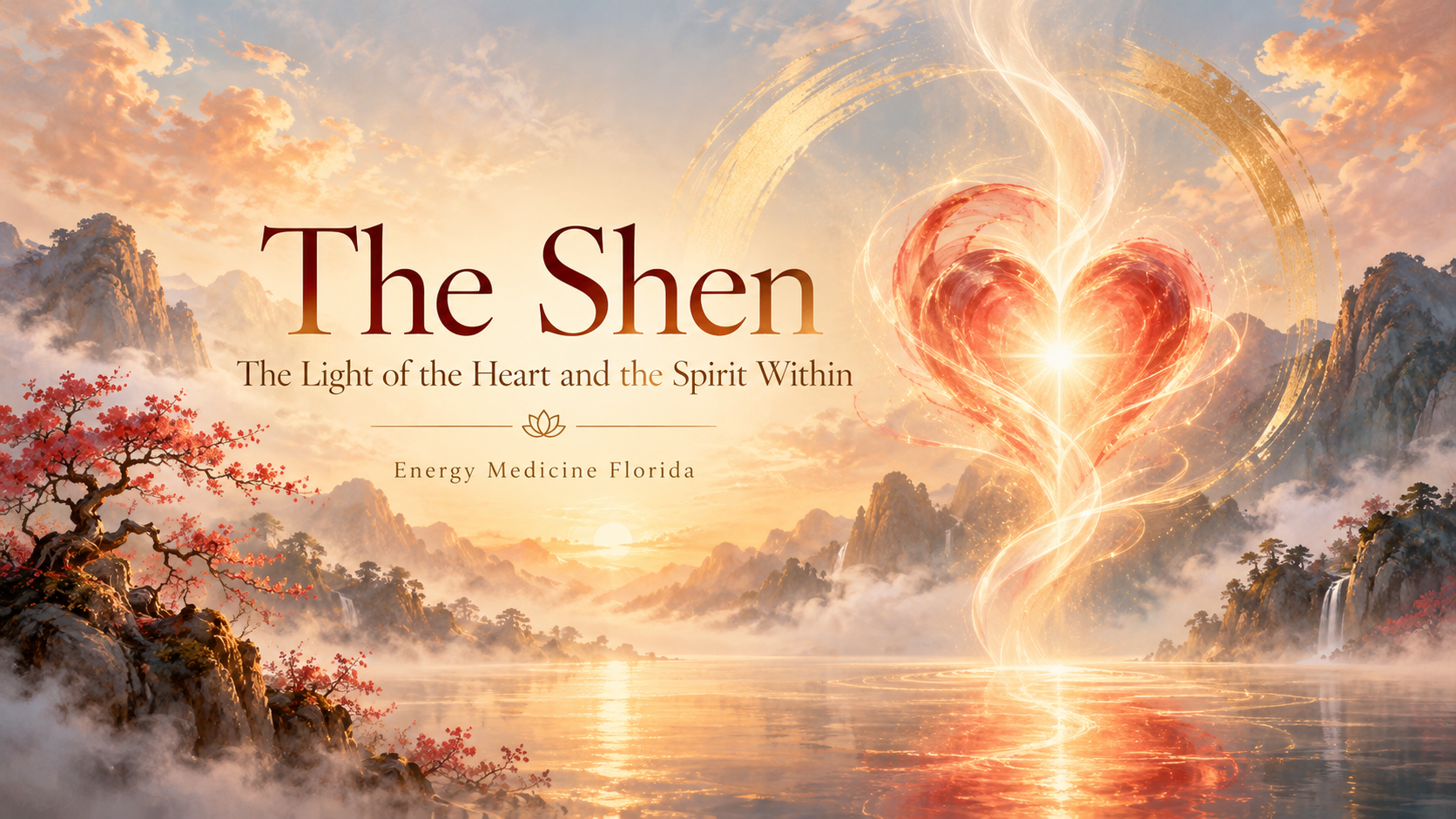
The Shen: The Light of the Heart and the Spirit Within
In Traditional Chinese Medicine, the Shen represents the Spirit of the Heart and is associated with consciousness, awareness, joy, compassion, and inner presence. When the Shen becomes disturbed, a person may experience restlessness, anxiety, emotional uneasiness, or a loss of inner peace. Dr. Wu Dhi explores the traditional understanding of the Shen, its relationship with the Heart and Fire element, and how acupuncture, Medical Qigong, meditation, and conscious breathing may support greater emotional balance. Discover why cultivating the Shen is not about becoming someone different, but about reconnecting with the light and awareness already within us.
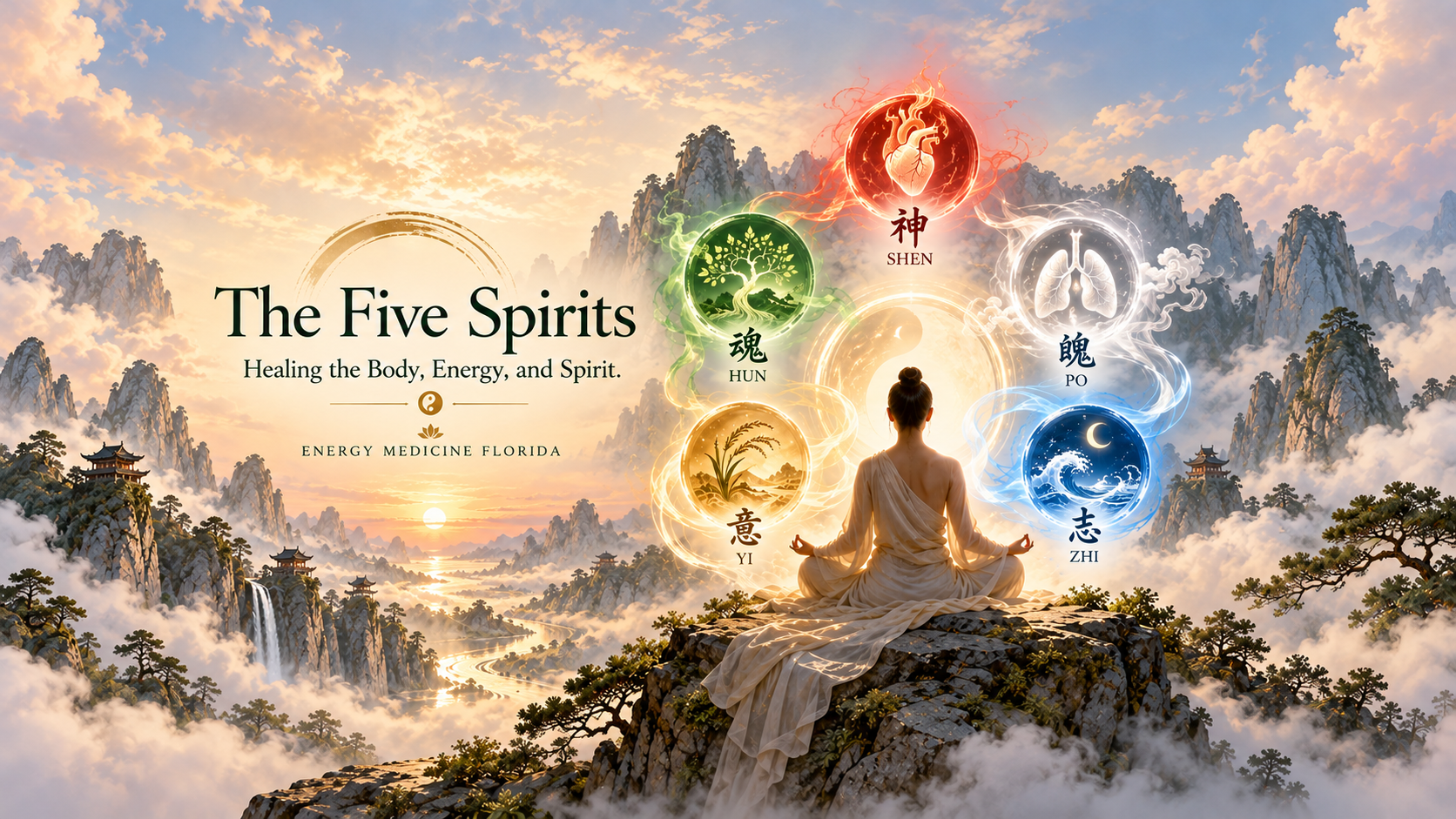
The Five Spirits: Acupuncture, Inner Alchemy, and the Art of Longevity
Traditional Chinese Medicine views health as more than the absence of physical symptoms. The Five Spirits—Shen, Hun, Po, Yi, and Zhi—represent different aspects of consciousness, emotion, vitality, and inner strength associated with the Heart, Liver, Lungs, Spleen, and Kidneys. Dr. Wu Dhi explains how Medical Qigong differs from ordinary Qigong exercise and how practitioner-directed energetic treatment, breathing, movement, and personalized exercises may be used within this traditional framework. The goal is not simply to chase symptoms, but to support greater balance between the body, energy, emotions, and Spirit while helping patients participate actively in their own well-being.
How Medical Qigong and Acupuncture Can Support Your Healing Journey
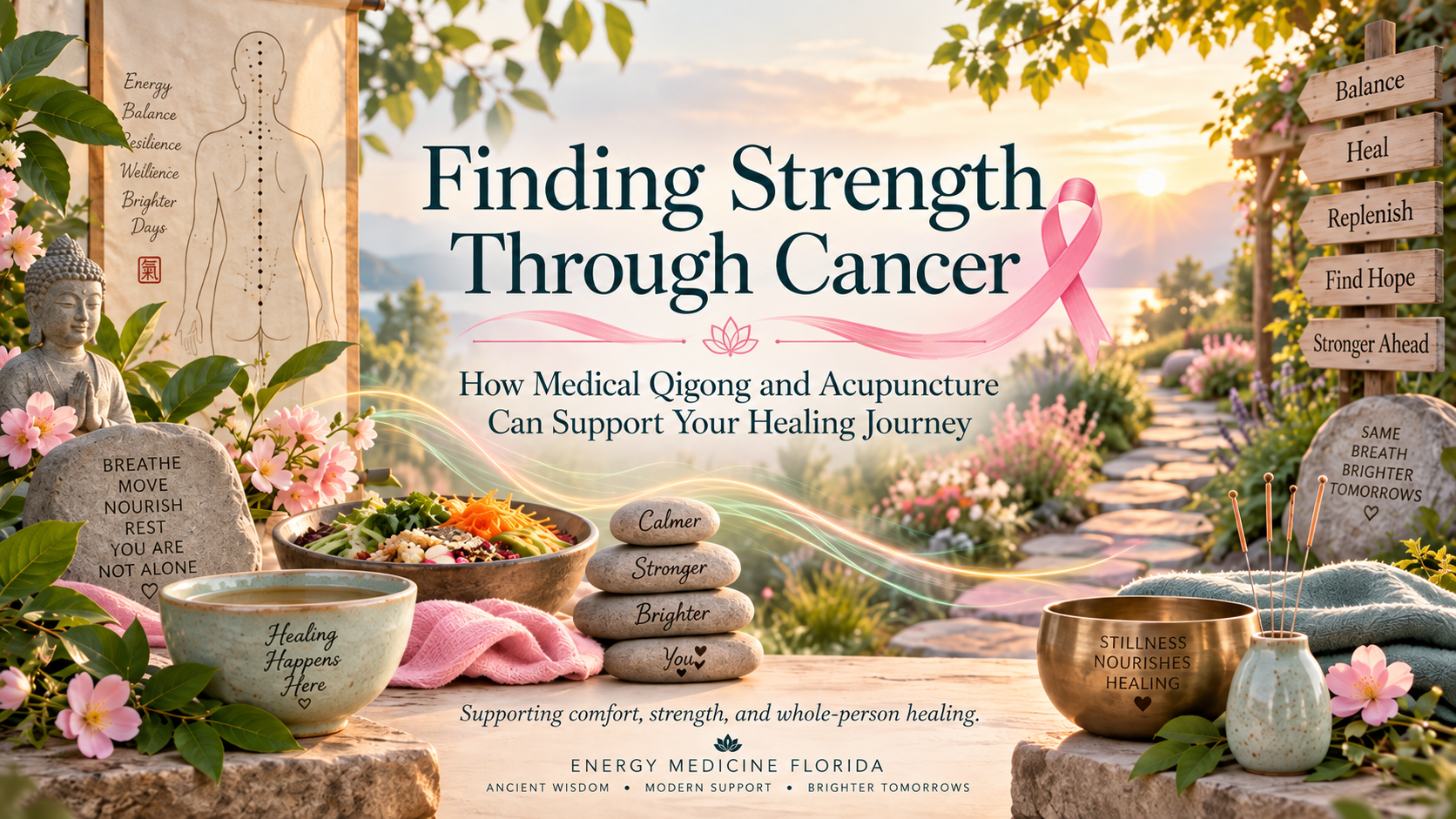
Cancer treatment affects much more than the disease itself. It can influence energy, sleep, movement, pain, appetite, emotions, and quality of life. Dr. Wu Dhi explores how Medical Qigong and acupuncture may be used as supportive therapies alongside conventional oncology care. Qigong offers gentle movement, breathing, relaxation, and self-awareness, while acupuncture may help manage selected treatment-related symptoms such as pain, nausea, and fatigue. Nutrition, emotional support, and individualized care also play important roles. These complementary approaches do not replace cancer treatment, but when coordinated with the oncology team, they may help patients feel more supported throughout treatment and recovery.
Breast Cancer Treatment: What Can You Do to Help Your Body Through It?
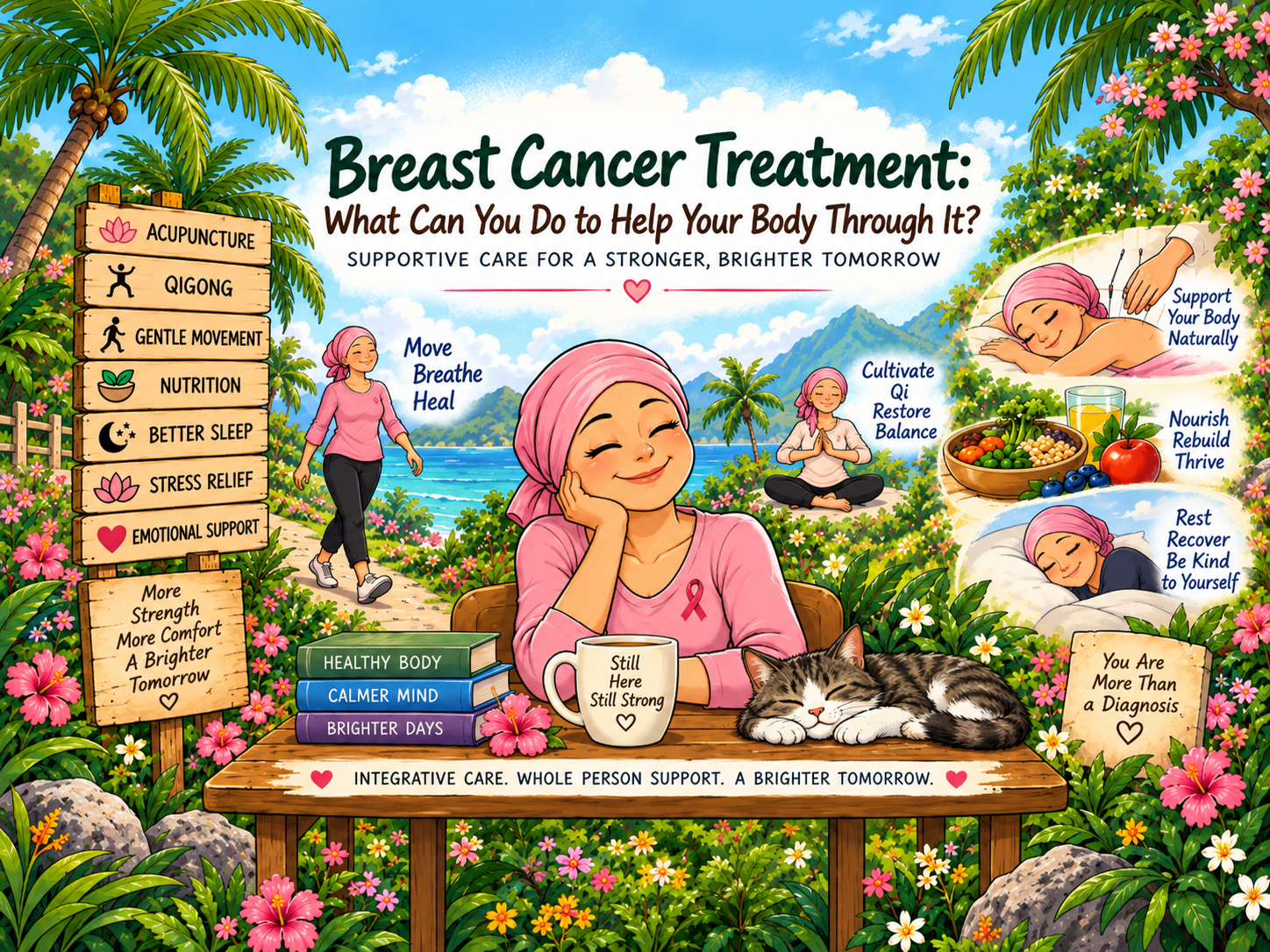
If you or someone you love is going through breast cancer treatment, do not wait until treatment is over to ask what can be done to preserve strength, manage fatigue and pain, maintain mobility, and support recovery.
Cancer treatment can place tremendous demands on the body and mind. Surgery, chemotherapy, radiation therapy, immunotherapy, and hormone therapy may all be essential parts of treating breast cancer. At the same time, these treatments may affect energy, sleep, appetite, mood, strength, and the ability to move comfortably.
This is where supportive integrative care may have an important role.
There is a clear distinction between treating cancer and supporting the person receiving treatment:
Don’t Let Others Blow Your Qi: Protecting the Energy You Cultivate
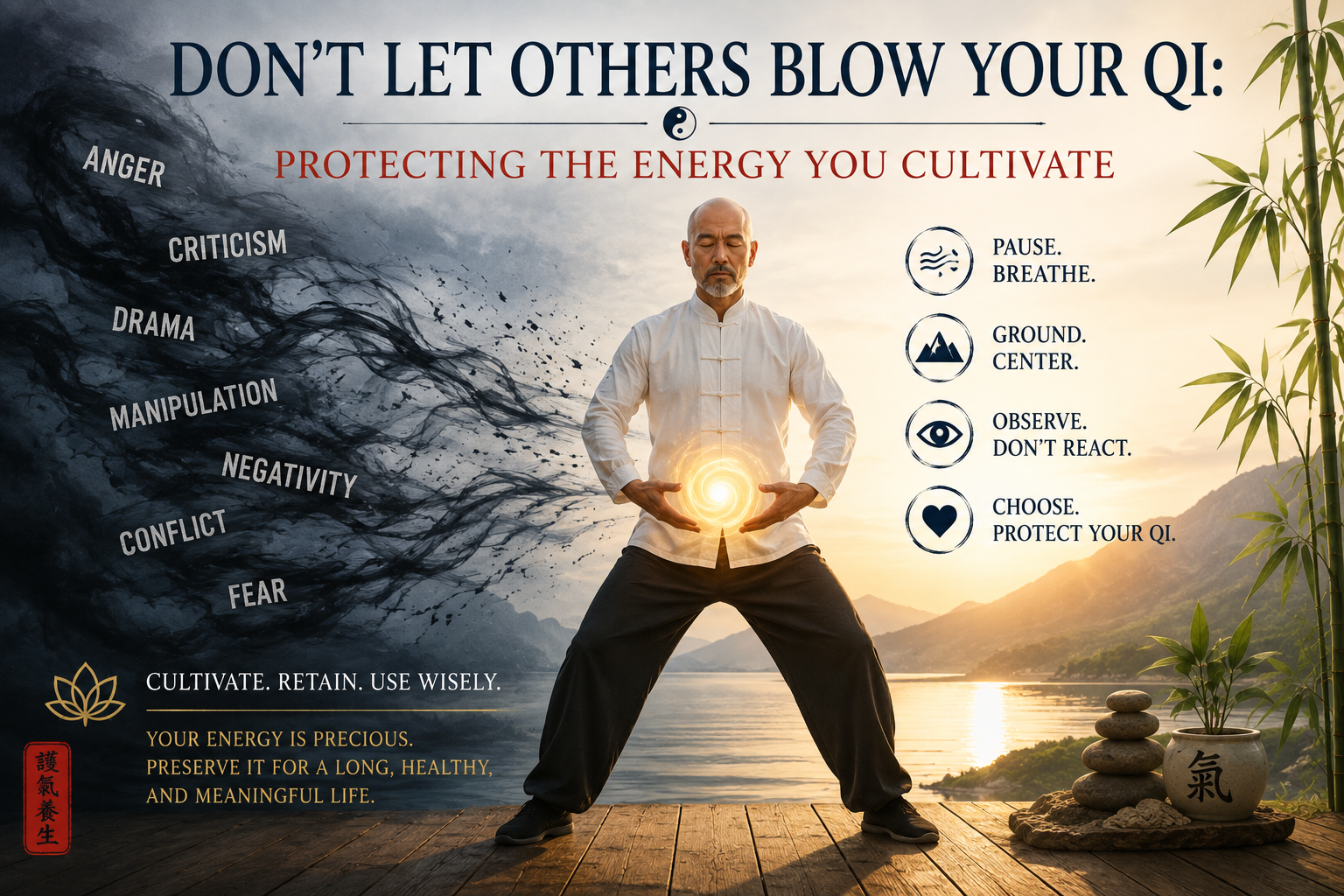
For more than 45 years, I have been deeply involved in longevity practices, meditation, Medical Qi Gong, Taoist exercises, Buddhist teachings, yoga, and the cultivation of internal energy. Throughout those years, I have learned that building energy is only one part of the practice. The greater challenge is learning how to retain it.
We may spend hours, days, or even years cultivating greater awareness, vitality, focus, and inner peace. Then one angry outburst, impulsive decision, or emotional confrontation can scatter much of what we worked so hard to develop.