ALL ARTICLES
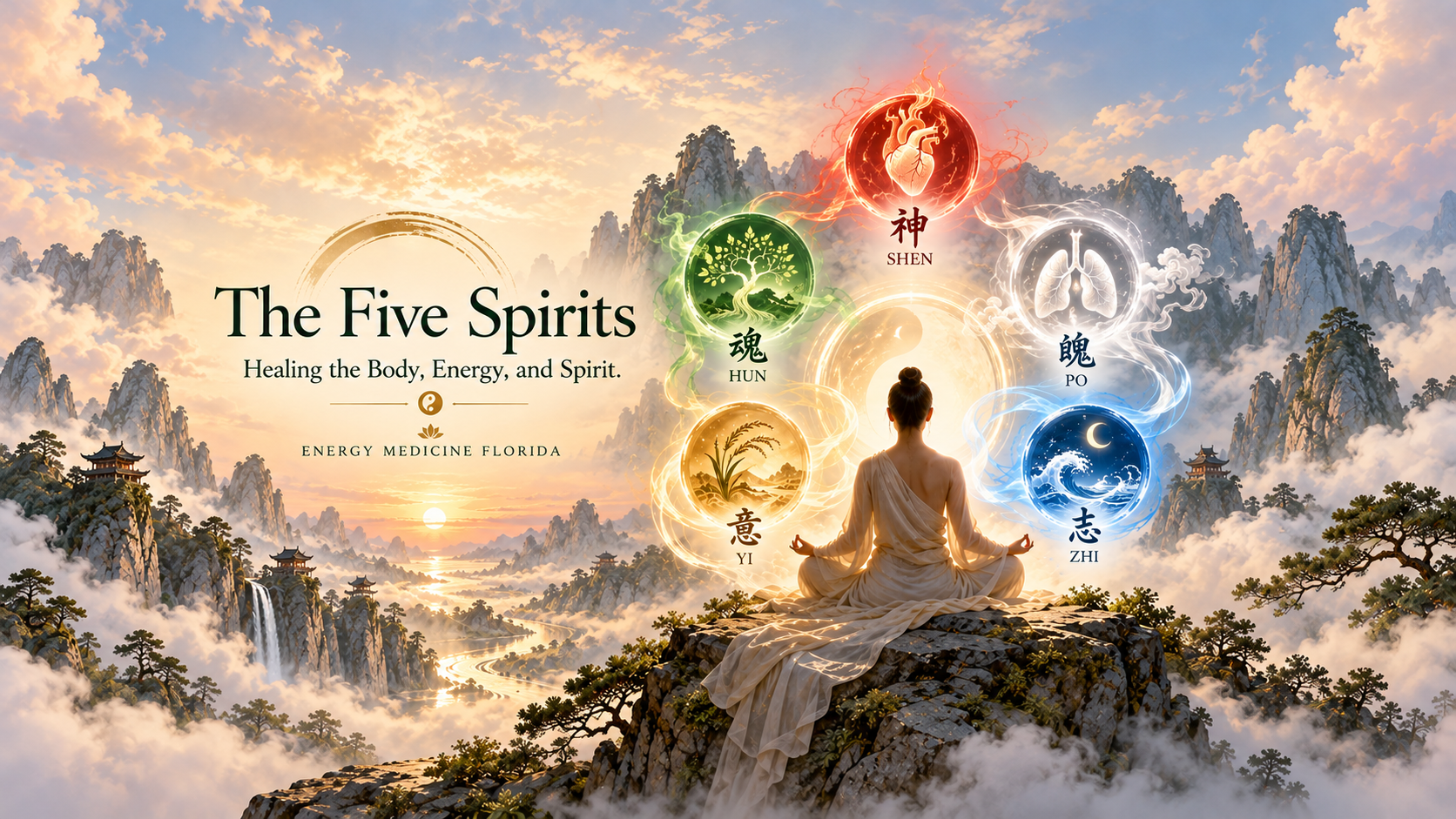
The Five Spirits: Acupuncture, Inner Alchemy, and the Art of Longevity
Traditional Chinese Medicine views health as more than the absence of physical symptoms. The Five Spirits—Shen, Hun, Po, Yi, and Zhi—represent different aspects of consciousness, emotion, vitality, and inner strength associated with the Heart, Liver, Lungs, Spleen, and Kidneys. Dr. Wu Dhi explains how Medical Qigong differs from ordinary Qigong exercise and how practitioner-directed energetic treatment, breathing, movement, and personalized exercises may be used within this traditional framework. The goal is not simply to chase symptoms, but to support greater balance between the body, energy, emotions, and Spirit while helping patients participate actively in their own well-being.
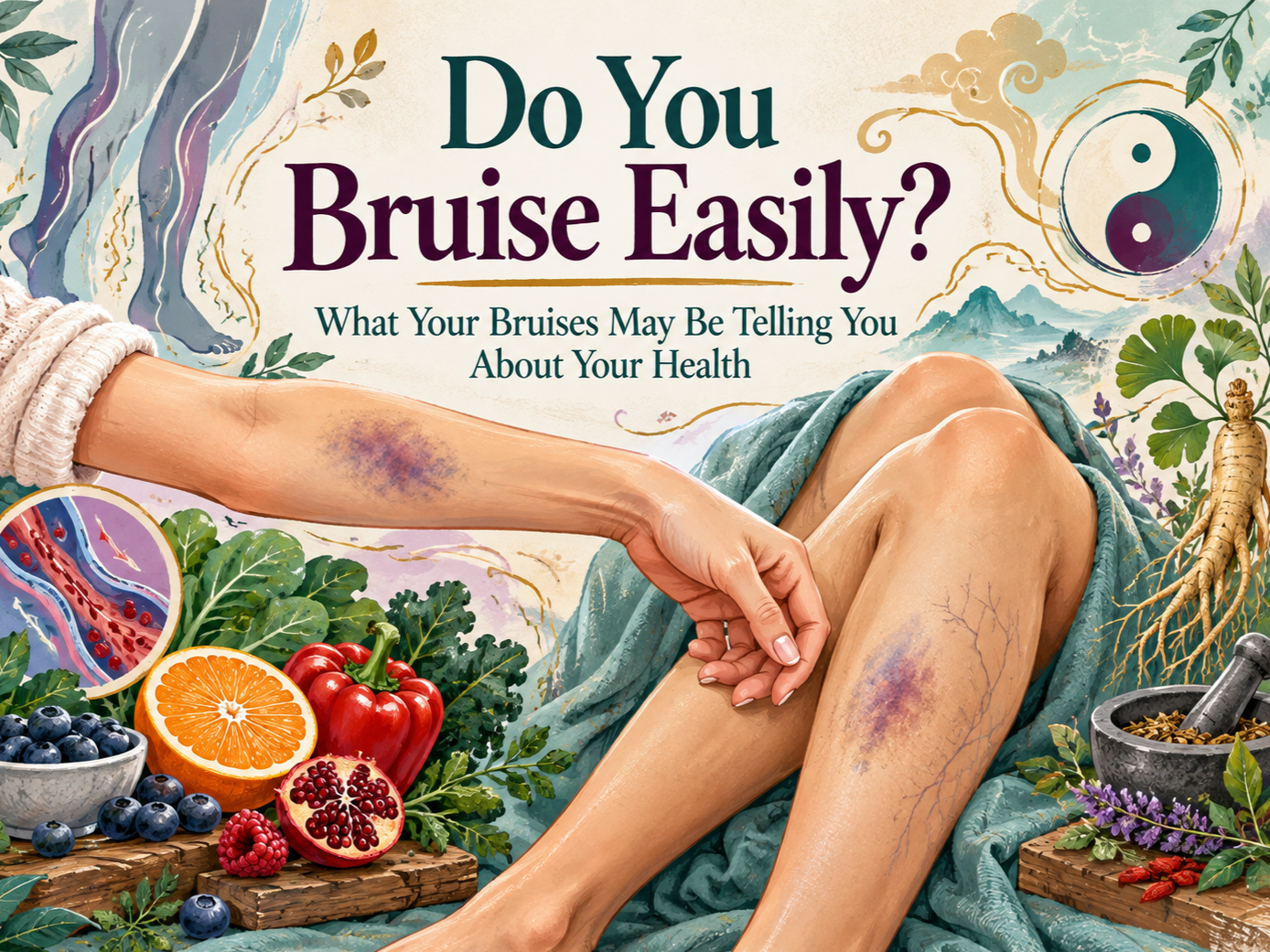
Do You Bruise Easily?
Do you bruise easily or sometimes notice bruises without remembering how they happened? Dr. Wu Dhi explores common reasons for bruising, including aging skin, medications, circulation, nutrition, and activity level, while also sharing the Traditional Chinese Medicine perspective on the Spleen, Liver, Heart, and Blood. The article also looks at the connection between bruising, tired or heavy legs, spider veins, and varicose veins. Most bruises are harmless, but sudden or unexplained changes deserve attention. Sometimes a small bruise can become an important reminder to look at the larger picture of your health.
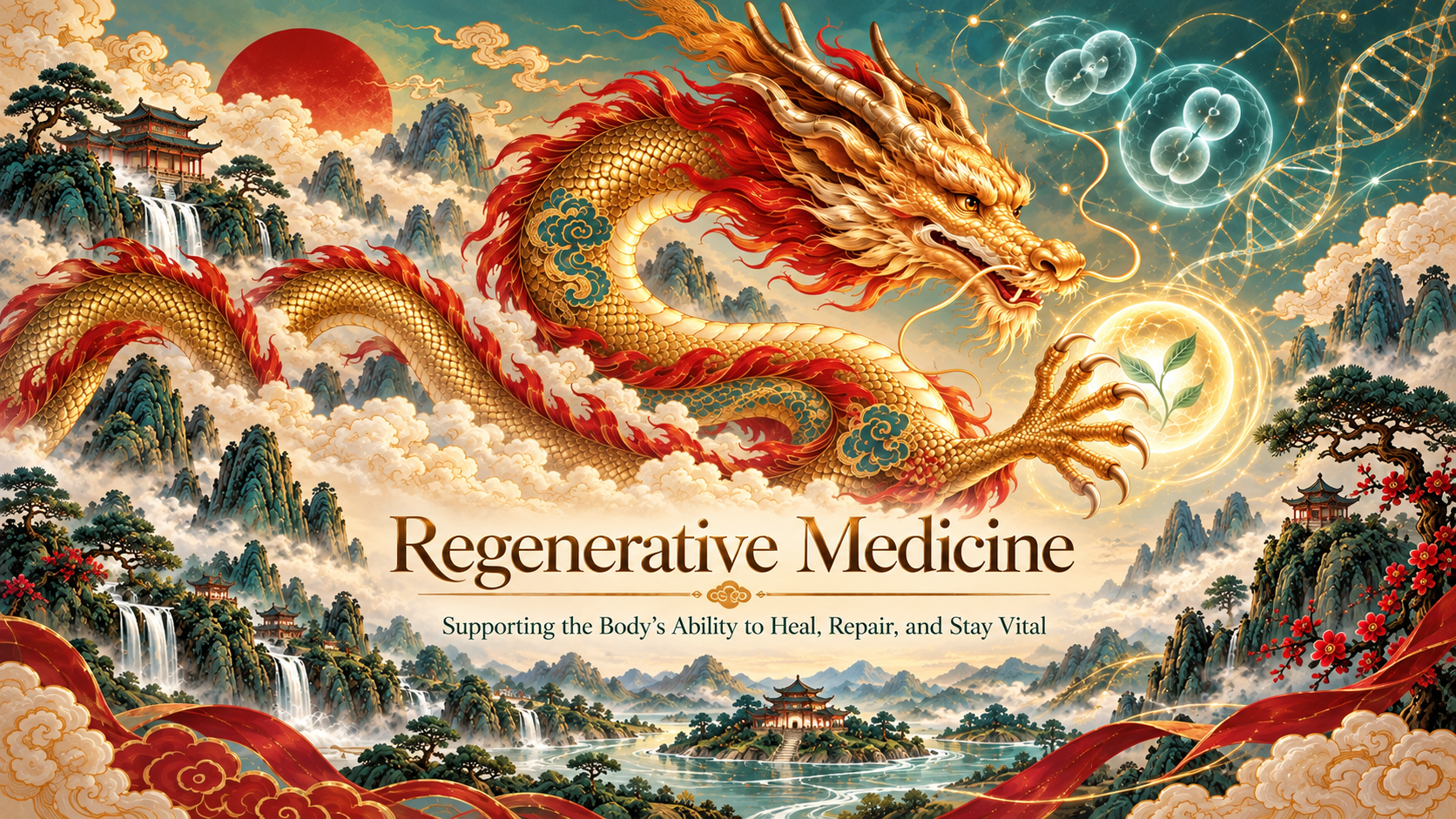
Regenerative Medicine: Supporting the Body’s Ability to Heal, Repair, and Stay Vital
Regenerative medicine is changing the conversation about pain, recovery, mobility, and healthy aging. Drawing on more than four decades of clinical experience and his own personal exploration of regenerative therapies, Dr. Wu Dhi discusses PRP, orthobiologics, exosomes, stem-cell research, ozone-based therapies, Prolozone, Medical Qigong, acupuncture, and rehabilitation. Rather than focusing only on suppressing symptoms, these emerging approaches ask how we may better support the biological environment in which healing and recovery take place. The goal is not to replace conventional medicine, but to thoughtfully combine appropriate therapies to help people maintain strength, movement, energy, independence, and quality of life.

Cancer-Related Fatigue: Why Rest Alone May Not Be the Answer
Cancer-related fatigue is more than ordinary tiredness and may continue even after a full night of sleep. Dr. Wu Dhi explains why fatigue during and after cancer treatment deserves an individualized approach that may include medical evaluation, carefully chosen movement, rehabilitation, nutrition, better sleep, emotional support, and Medical Qi Gong. The article explores the fatigue–inactivity cycle, current recommendations for exercise and mind-body practices, strategic rest, hydration, and emotional well-being. The goal is not to push through exhaustion, but to help patients understand their energy, preserve function, and work with their bodies while staying connected to their oncology team.
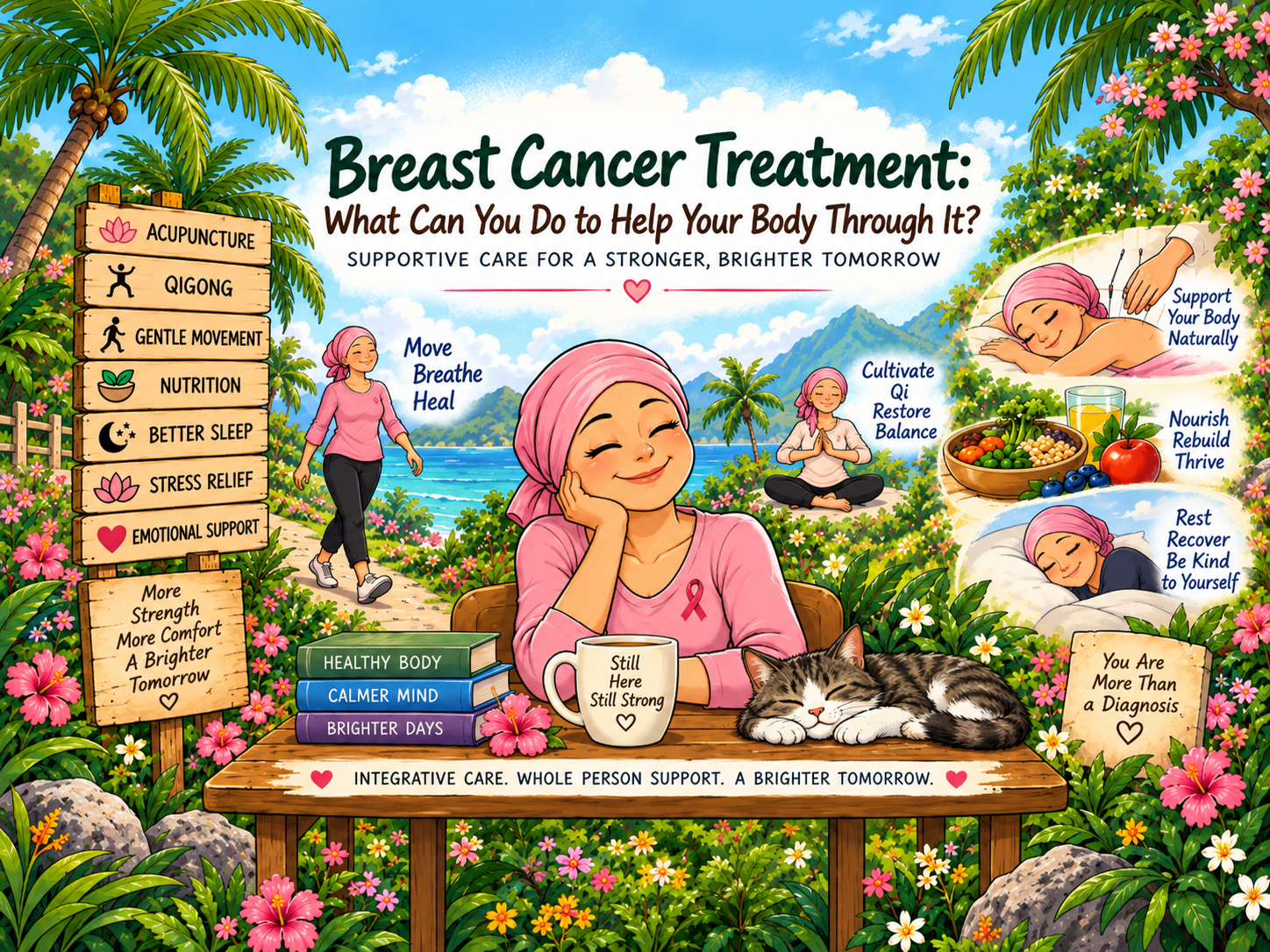
Breast Cancer Treatment: What Can You Do to Help Your Body Through It?
If you or someone you love is going through breast cancer treatment, do not wait until treatment is over to ask what can be done to preserve strength, manage fatigue and pain, maintain mobility, and support recovery.
Cancer treatment can place tremendous demands on the body and mind. Surgery, chemotherapy, radiation therapy, immunotherapy, and hormone therapy may all be essential parts of treating breast cancer. At the same time, these treatments may affect energy, sleep, appetite, mood, strength, and the ability to move comfortably.
This is where supportive integrative care may have an important role.
There is a clear distinction between treating cancer and supporting the person receiving treatment:
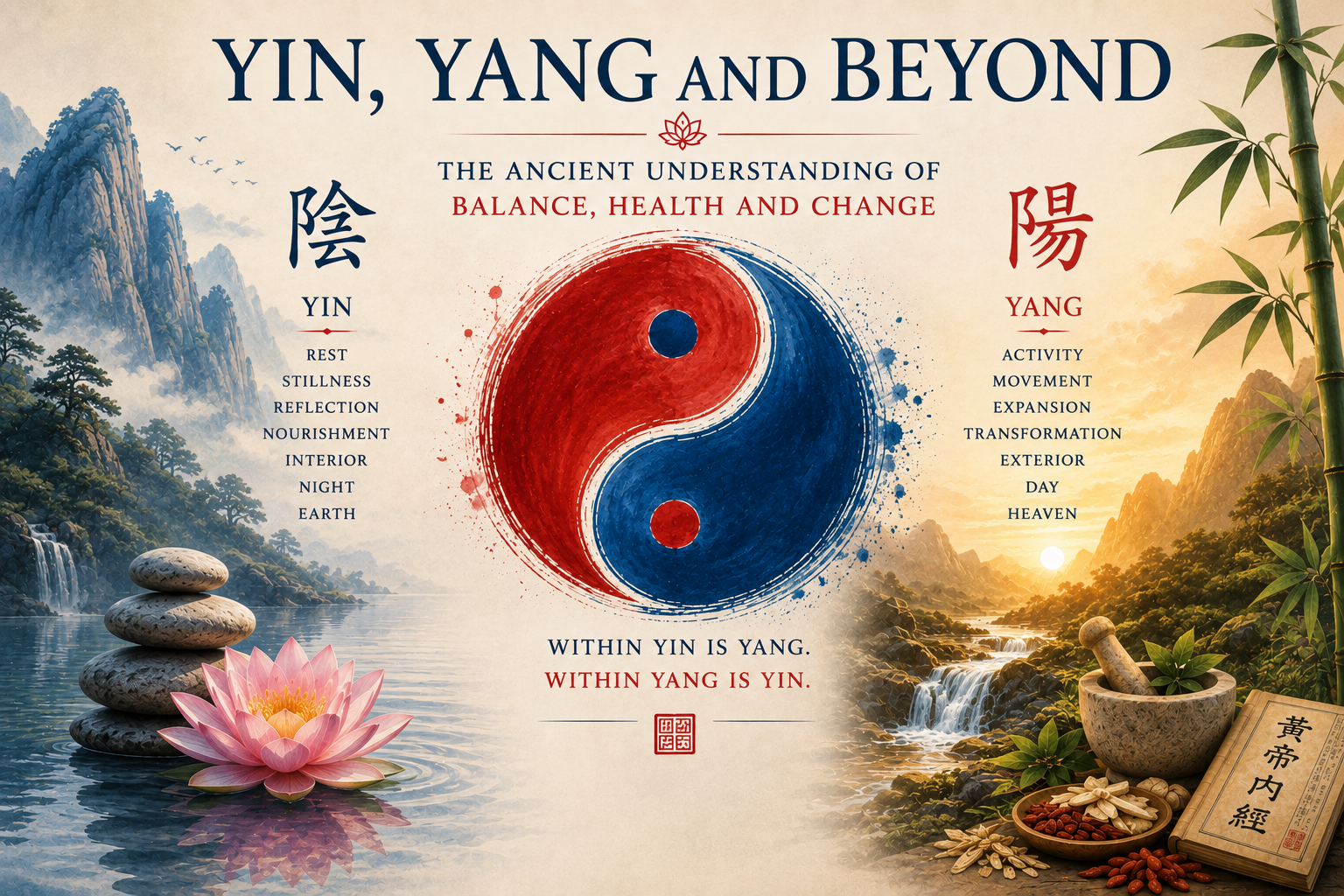
Yin, Yang and Beyond: The Ancient Understanding of Balance, Health and Change
Almost everyone recognizes the Yin-Yang symbol, yet relatively few people understand the depth of what it represents.
The familiar circle contains two intertwined forms: one dark and one light. Within the dark Yin portion is a small circle of white Yang, and within the white Yang portion is a small circle of dark Yin.
This seemingly simple image contains one of the foundational ideas of Chinese philosophy and Traditional Chinese Medicine.
Yin and Yang are not enemies.
They are complementary forces that define one another, depend upon one another, and continually transform into one another.